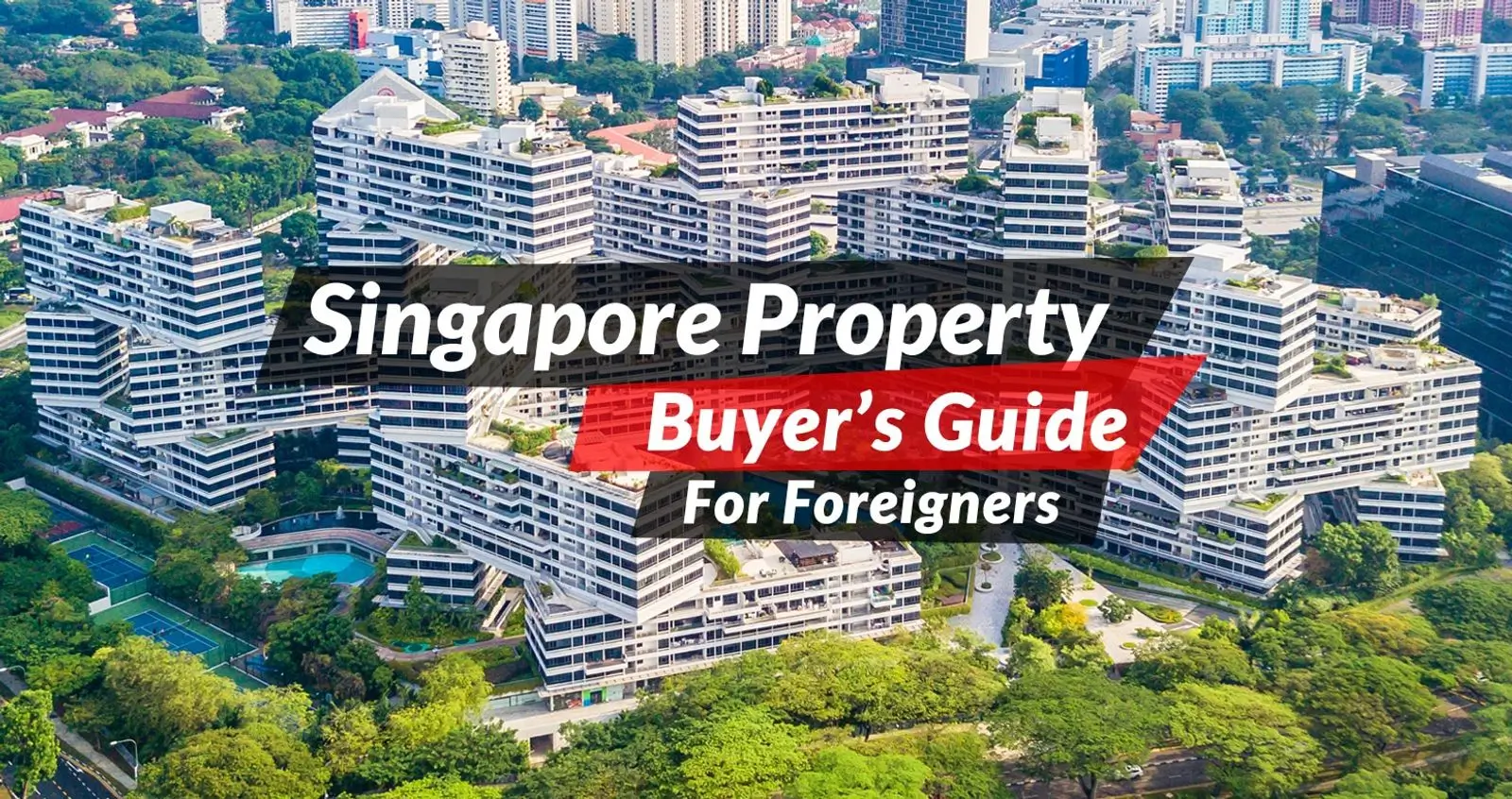
Singapore is open to international capital, but its residential property rules are deliberately selective. A foreign buyer can usually purchase a condominium unit without seeking special approval, while most landed homes sit behind a separate approval process. The bigger surprise is often not eligibility but cost: Additional Buyer’s Stamp Duty can materially change the economics before legal fees, financing or renovation enter the calculation.
This guide is for non-Singapore citizens, globally mobile families and overseas investors considering a private home in Singapore. It explains the decision in the right order: what you may buy, what approval may be required, how stamp duties affect the budget and what to verify before committing. It is general editorial information, not a substitute for Singapore legal or tax advice.
Begin with the property type, not the listing
“Can a foreigner buy in Singapore?” does not have one yes-or-no answer. The practical answer depends on the legal classification of the property.
| Property type | Typical foreign-buyer position | What to verify |
|---|---|---|
| Unit in a condominium development | Common direct-purchase route; special landed-property approval is generally not required | Tenure, title, approved use, management records and taxes |
| Landed residential property | Foreign buyers generally need approval | Eligibility under the Residential Property Act and approval conditions |
| Landed home in Sentosa Cove | Still subject to an approval route | Current criteria, permitted occupation and disposal conditions |
| HDB flat | Not a standard foreign-investor product | Citizenship, household and eligibility rules directly with HDB |
The Singapore Land Authority states that a foreign person seeking to purchase landed residential property must apply for approval under the Residential Property Act. Do not rely on the marketing description alone. Ask a conveyancing lawyer to confirm the legal property type and whether the particular title triggers approval.
If it is landed, assess approval before negotiating
Approval is not simply a formality after the price has been agreed. The authorities consider the applicant and the proposed acquisition under the prevailing criteria, and an approval may carry conditions. A buyer should therefore avoid signing an unconditional contract or paying a non-refundable sum on the assumption that permission will follow.
If a landed purchase is being explored, make the offer expressly subject to the required approval and obtain advice on the appropriate timeline. A buyer planning to occupy the home, hold it through a company or redevelop it should disclose that intention early because the structure and use may affect the analysis.
Calculate ABSD before comparing mortgage rates
Additional Buyer’s Stamp Duty, or ABSD, is charged on top of Buyer’s Stamp Duty for affected residential acquisitions. Under the current schedule published by the Inland Revenue Authority of Singapore, a foreign individual buying residential property is generally subject to 60% ABSD for purchases made on or after 27 April 2023.
That headline rate makes nationality and treaty status commercially important. Certain nationals and permanent residents of countries covered by qualifying free-trade agreements may be eligible for ABSD remission, subject to the current conditions. Do not assume that a foreign passport automatically creates—or prevents—relief. Confirm eligibility with IRAS guidance and a qualified adviser before the option is exercised.
A simple cost reality check
For a residential purchase priced at S$2 million, a 60% ABSD rate would equal S$1.2 million before Buyer’s Stamp Duty, conveyancing, valuation, financing and fit-out costs. This is an illustration, not a quotation: the dutiable amount, timing, buyer profile and any relief must be checked for the actual transaction.
Add Buyer’s Stamp Duty and acquisition expenses
Buyer’s Stamp Duty applies to an acquisition based on the higher of the purchase price or market value. It uses progressive bands, so it should be calculated rather than estimated as one percentage of the entire price. A lawyer or tax adviser can also confirm the stamping deadline and whether a transaction structure changes the treatment.
A realistic acquisition budget may include:
- ABSD, where applicable;
- Buyer’s Stamp Duty;
- legal, search and registration fees;
- mortgage valuation and bank charges;
- maintenance contributions and possible sinking-fund exposure;
- property tax, insurance and repairs; and
- renovation, furnishing and leasing costs.
If the exit horizon is short, also review the current Seller’s Stamp Duty rules. A purchase can look attractive on gross rent but fail after acquisition taxes, vacancy and selling costs are included.
Use a buyer-side due-diligence file
Singapore has an organised land-registration system, but registration does not replace transaction-specific checks. Your lawyer should confirm the registered owner, title, tenure, encumbrances, restrictions and the contract’s treatment of vacant possession, defects and completion. The SLA land-titles search service is an official starting point.
For a resale condominium, request recent management-corporation minutes, accounts, by-laws and information on major works or special levies. Inspect the unit rather than relying on listing photographs. Confirm whether alterations were approved and identify which fixtures remain at completion.
For a new launch, study the option documents, payment schedule, expected completion framework, unit plan and permitted use. Compare the quoted area and layout with the contractual documents, not the show flat alone. If rental income is part of the plan, run a conservative scenario using achievable long-term rent rather than a headline furnished rate.
Understand financing as a foreign borrower
Bank appetite varies with residency, income currency, employment type, age, existing debt and the selected property. A preliminary indication is not final approval. The lender may re-check income, valuation and the property before disbursement, while loan-to-value and debt-servicing rules can limit borrowing.
Ask for an all-in comparison covering the reference rate, spread, lock-in period, repricing options, early-redemption costs, legal subsidy clawback and foreign-currency risk. Someone earning in US dollars, pounds or rupees but servicing a Singapore-dollar loan carries an exchange-rate exposure even if the interest rate looks competitive.
Rental plans need a compliance check
A residential unit cannot automatically be operated like a hotel. The Urban Redevelopment Authority publishes rules for renting private residential property and states that short-term accommodation in private homes is not permitted below the applicable minimum stay. Management by-laws and occupancy rules can add further constraints.
Before buying for income, define the likely tenant: an executive household, a student, a relocating couple or a family seeking access to schools. Then compare the unit’s usable layout, transport, everyday retail, noise, maintenance quality and competing supply. Gross rent is only the beginning; subtract vacancy, agent fees, repairs, management charges, property tax and financing to estimate net return.
A disciplined sequence for foreign buyers
- Confirm the buyer’s legal and tax status.
- Identify the exact property classification and tenure.
- Determine whether SLA or another approval is required.
- Calculate ABSD, BSD and total cash needed.
- Obtain finance terms without treating them as final sanction.
- Appoint an independent Singapore conveyancing lawyer.
- Complete title, contract, building and physical checks.
- Make the offer conditional on material approvals where necessary.
- Complete stamping, payment and registration through the proper channels.
The decision that matters
For many foreigners, buying a Singapore condominium is legally possible but economically demanding. The correct question is not merely whether you are allowed to buy. It is whether the property still meets your housing or investment objective after ABSD, Buyer’s Stamp Duty, financing, holding costs and a realistic exit plan are modelled.
Editorial note: Rules and rates can change, and treaty relief depends on the buyer’s facts. Verify the live position with SLA, IRAS, URA, the lender and appropriately qualified Singapore advisers before entering a binding transaction.
Written for a useful decision.
This article is reviewed for clarity, originality, material claims and commercial transparency. Project-specific availability, prices, approvals and policies must be confirmed from current official documents.
Read our editorial policy →